The Origins of Karate: Okinawa, Japan
The story of Karate begins centuries ago on the island of Okinawa, Japan. Influenced by indigenous Okinawan fighting styles and Chinese martial arts brought through trade and cultural exchange, early forms of Karate emerged as a means of self-defence among Okinawan peasants and nobles alike. With a ban on weapons imposed during different periods in Okinawan history, empty-hand combat techniques flourished giving birth to what we now call “Karate,” which literally means “empty hand.”
One of the pivotal figures in Karate’s early evolution was Gichin Funakoshi, often referred to as the father of modern Karate. Born in 1868, Funakoshi was instrumental in introducing Karate from Okinawa to mainland Japan in the early 20th century. He emphasized discipline, character development, and spiritual growth, establishing a formal system of training that moved Karate from the shadows into Japanese universities and eventually the global stage.
The Birth of the Japan Karate Association (JKA)
As Karate grew in popularity, there was a need for a unified body to maintain the standards and philosophies set forth by Funakoshi. In 1949, the Japan Karate Association (JKA) was officially established, with Gichin Funakoshi as its Chief Instructor. The JKA became known for its structured teaching methodology, rigorous instructor training programme, and the codification of techniques and kata.
What set JKA apart was its emphasis on traditional values, technical precision, and a scientific approach to movement, principles still deeply embedded in JKA dojos across the world today.
Spreading the Art: JKA Reaches Global Shores
Throughout the 1950s and 60s, highly trained Japanese instructors such as Sensei Masatoshi Nakayama, Sensei Hirokazu Kanazawa, and others were dispatched to countries across the globe. Their mission: to share authentic Shotokan Karate as taught by the JKA. Their influence was profound, setting the standard for what would become one of the most widely practiced martial arts worldwide.
The JKA Legacy in South Africa: From Sensei Stan Schmidt to Paarl JKA
In the early 1960s, South Africa became one of the first countries outside of Japan to embrace JKA Karate in its traditional form. This monumental development can be credited to Sensei Stan Schmidt, a visionary martial artist often referred to as the “father of South African Karate.”
Sensei Stan Schmidt trained extensively in Japan under the JKA and became the first non-Japanese to graduate from the rigorous JKA Instructors’ Course. His passion and dedication laid the foundation for generations of practitioners in South Africa.
From Sensei Stan Schmidt, the JKA lineage in South Africa extended through his senior students and successors, including Sensei Johan Roets and Sensei Keith Geyer. These individuals not only maintained the integrity of the JKA system but also cultivated a strong community of dojos and students across the country.
Sensei Jon Williams carried the torch forward in this lineage with unwavering commitment to JKA’s values, eventually mentoring Sensei Heinrich Venter, the current head instructor at Paarl JKA.
Paarl JKA: Honouring Tradition, Inspiring the Future
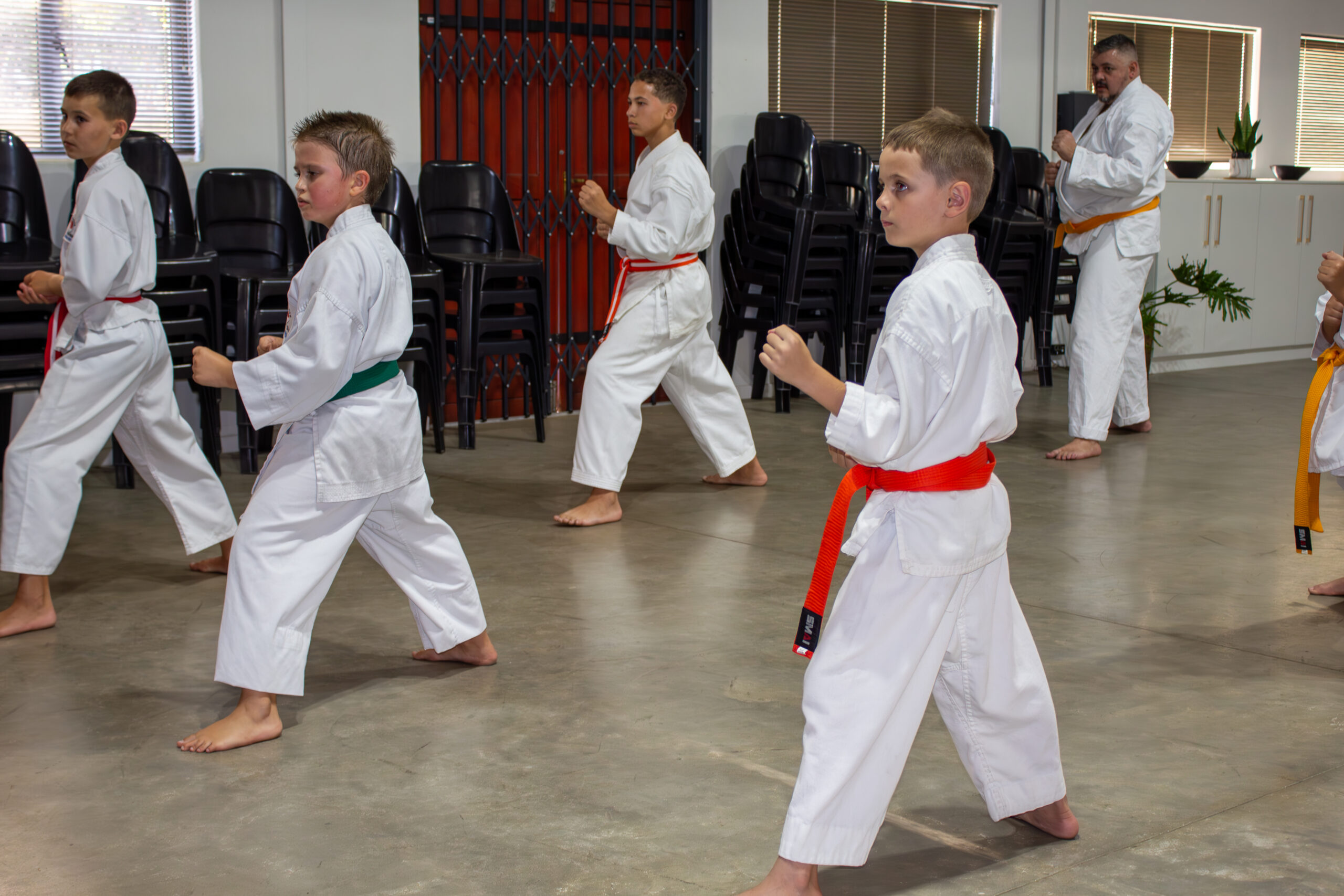
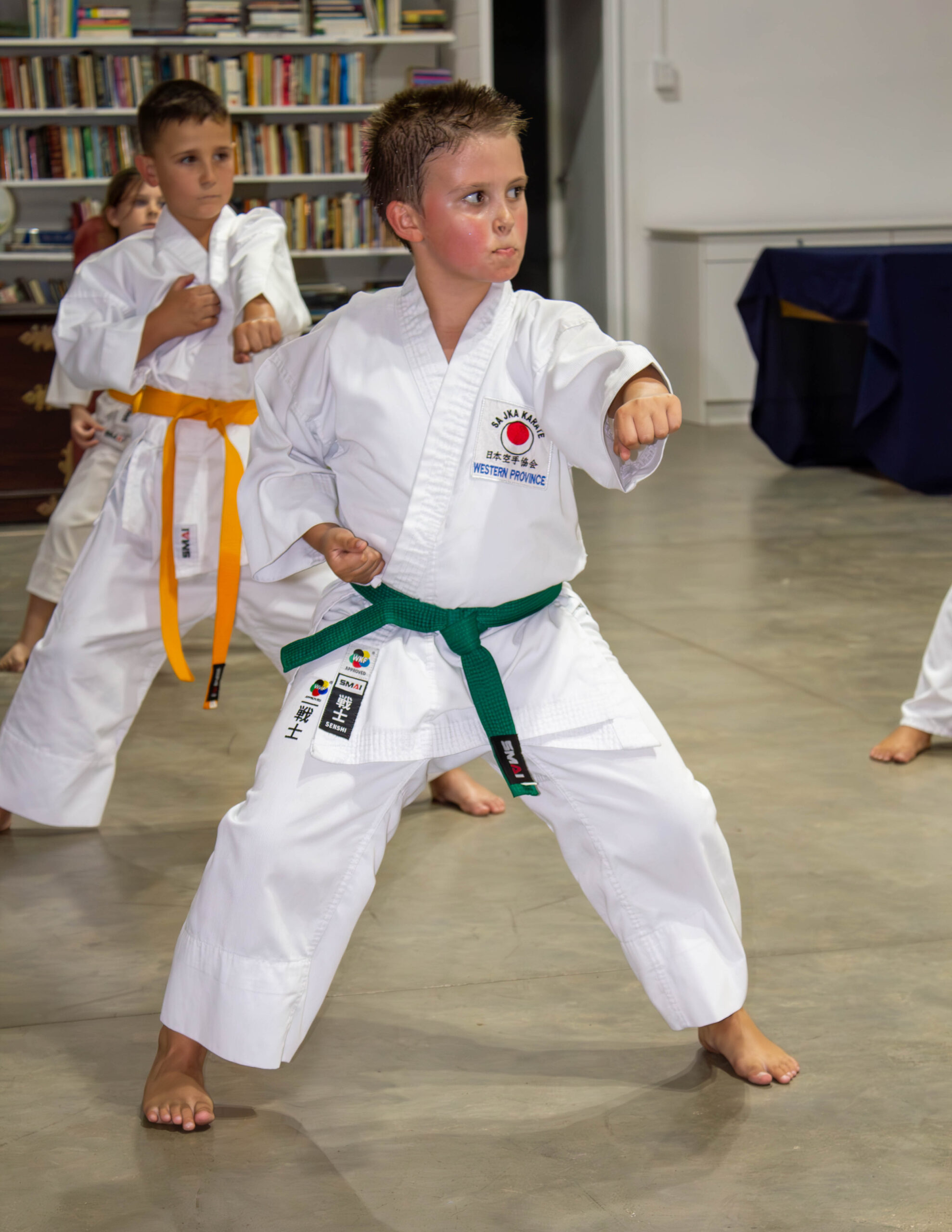
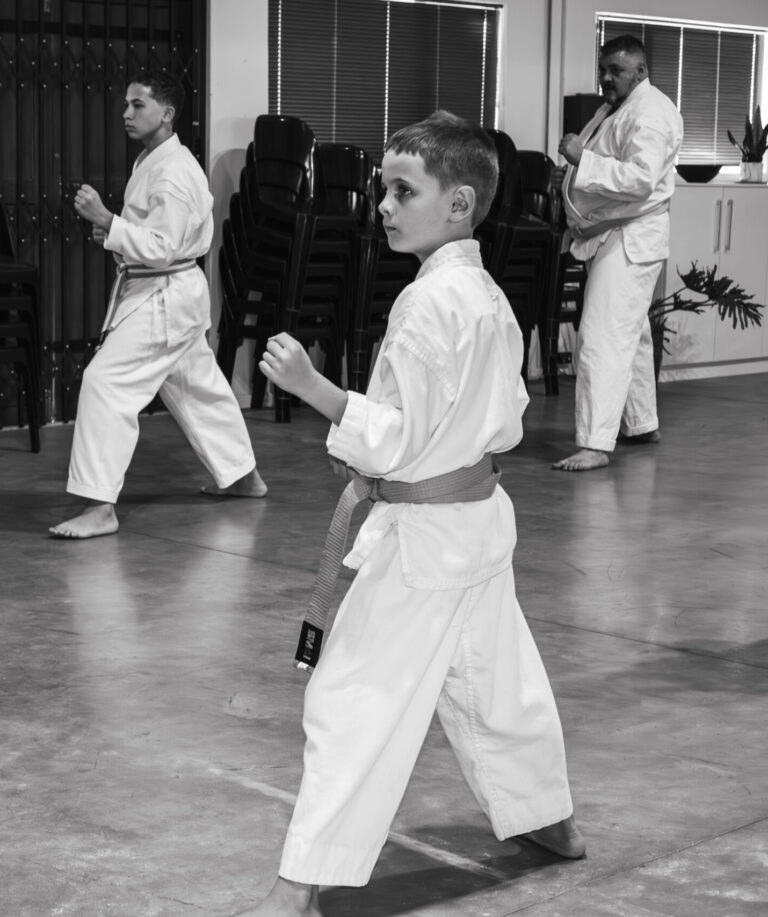
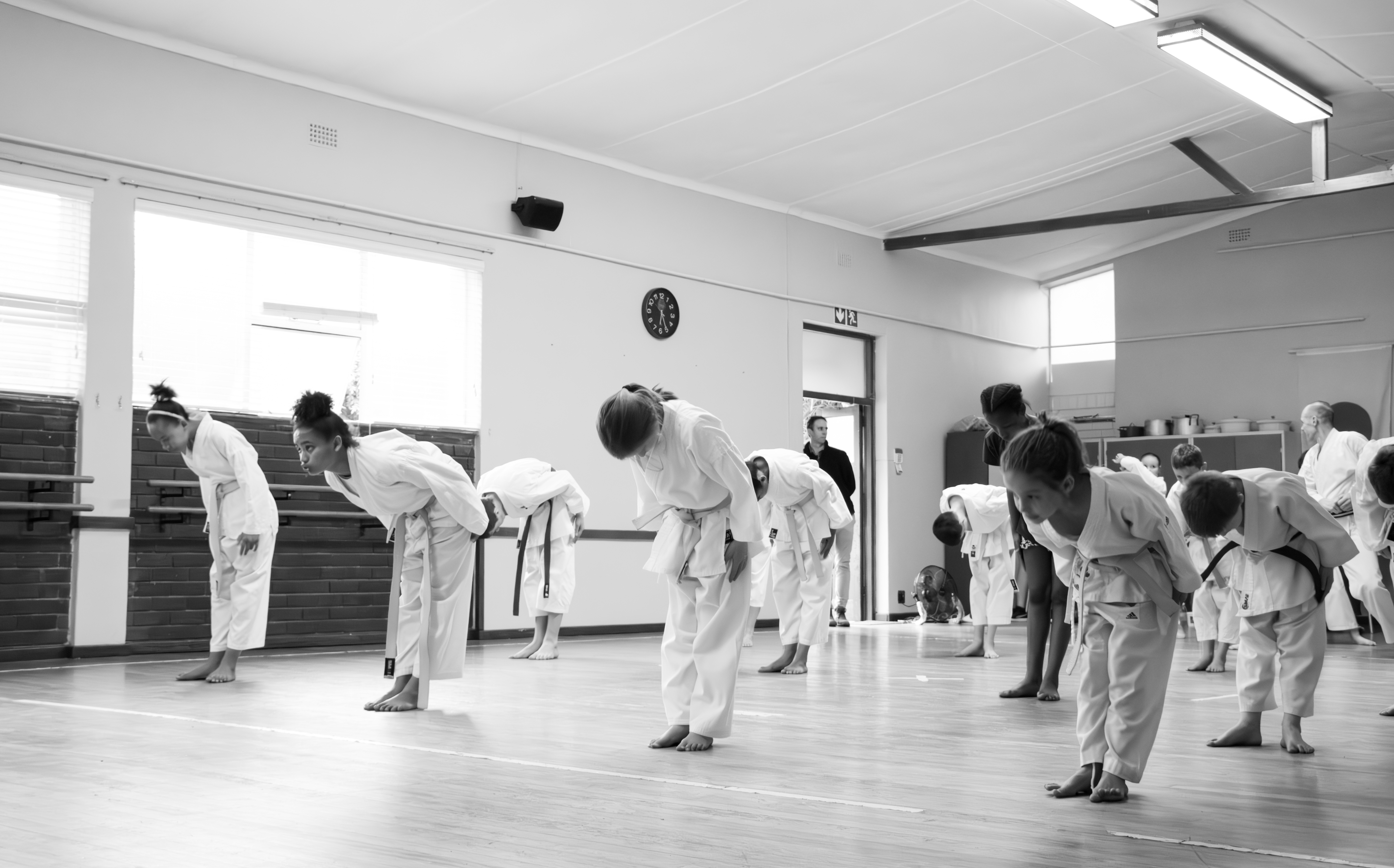
Today, Paarl JKA aims to instil in its students the same discipline, precision, and spirit that has been passed down through generations. Paarl JKA continues to uphold the technical excellence and character-building focus that defines JKA Karate.
Through dedicated training, community engagement, and a deep respect for the art’s heritage, Paarl JKA ensures that the legacy of Okinawa, Gichin Funakoshi, and the JKA pioneers lives on, one student at a time.
Join the journey. Discover your potential. Train with purpose.
Visit www.paarlkarate.co.za today to join us for a complimentary class at our Paarl Dojo.